
February 17, 2026
Light You Don’t See—Yet Shapes Everything

When we step into a well-lit space, we rarely think about the lighting. It simply feels good to be there. It doesn’t glare, it doesn’t distract, it isn’t intrusive—yet everything feels just right. That invisible balance was at the heart of the presentation by the lighting design team of Solinfo Group at the XVII. LED Konferencia. Their talk focused on the unseen work that quietly shapes the spaces around us.
A Lighting Designer Doesn’t Just “Choose a Fixture”
There’s still a common misconception that lighting design is simply about selecting the right luminaire. In reality, the process is far more complex.
Today, a lighting designer operates within a dynamic triangle—between the client, the interior designer, and the electrical engineer. It requires constant consultation, shared thinking, and careful interpretation.
Lighting designers stand at the intersection of two worlds. On one side, they must understand calculations, standards, and technical parameters. On the other, they need sensitivity to spatial atmosphere, proportions, and the subtleties of human perception.
Because light is not merely a question of quantity.
It is also a matter of quality.
It All Depends on When Lighting Enters the Process
One of the key takeaways of the presentation was timing. Lighting works best when it becomes part of the project at the concept stage. If lighting design only enters the picture at the end of the process, the result is often a compromise.
But when it is present from the very beginning—when space is first being shaped—it becomes more than an added layer. It turns into a fundamental spatial tool. Walls, surfaces, and materials behave entirely differently when supported by a consciously designed light structure.

“We Want Plenty of Light—But Don’t Want It To Be Seen”
In practice, lighting challenges often come in the form of requests like:
- "We don’t want a ceiling lamp.”
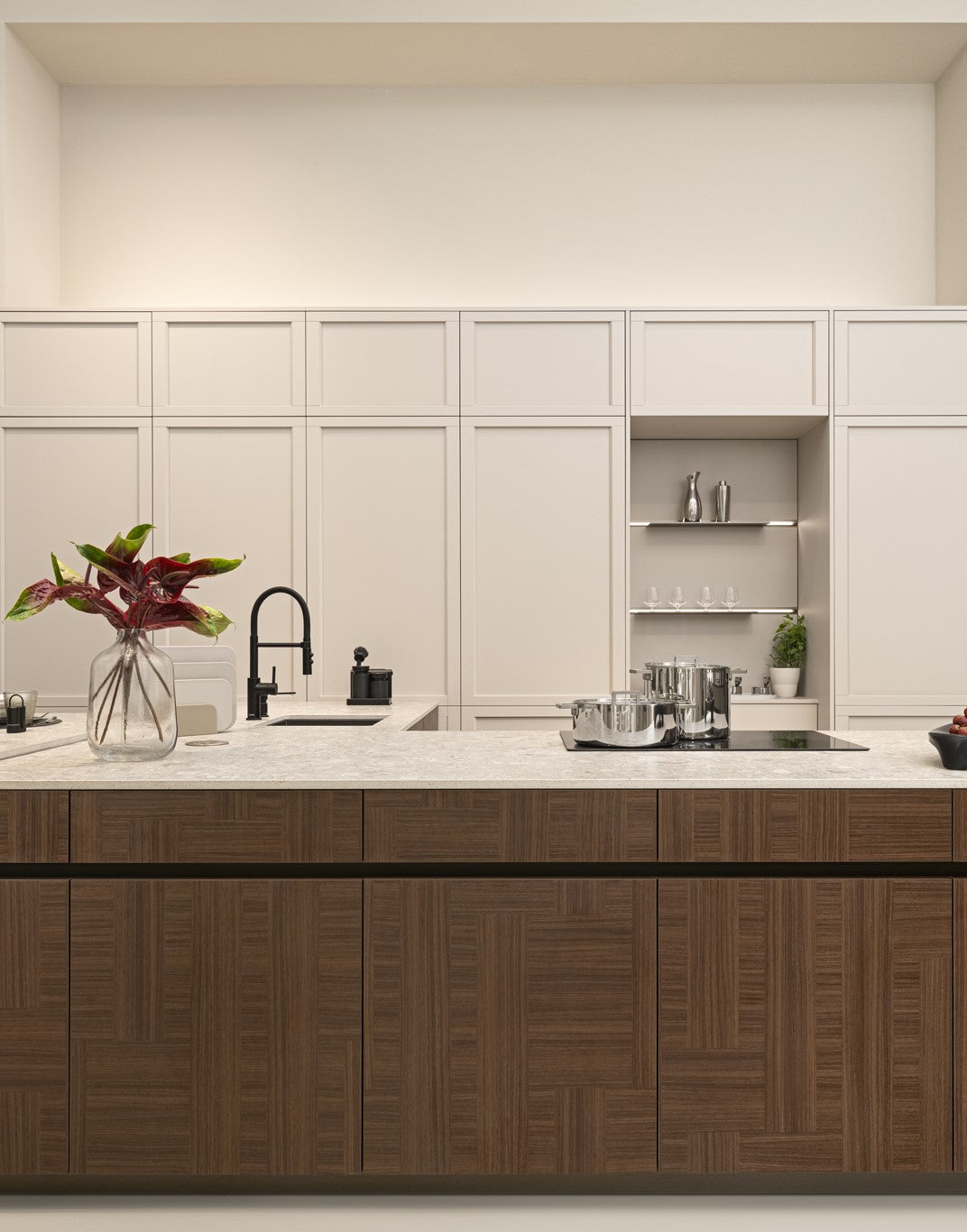
- „Only hidden lighting, please.”
- „Make it very bright, but not glaring.”
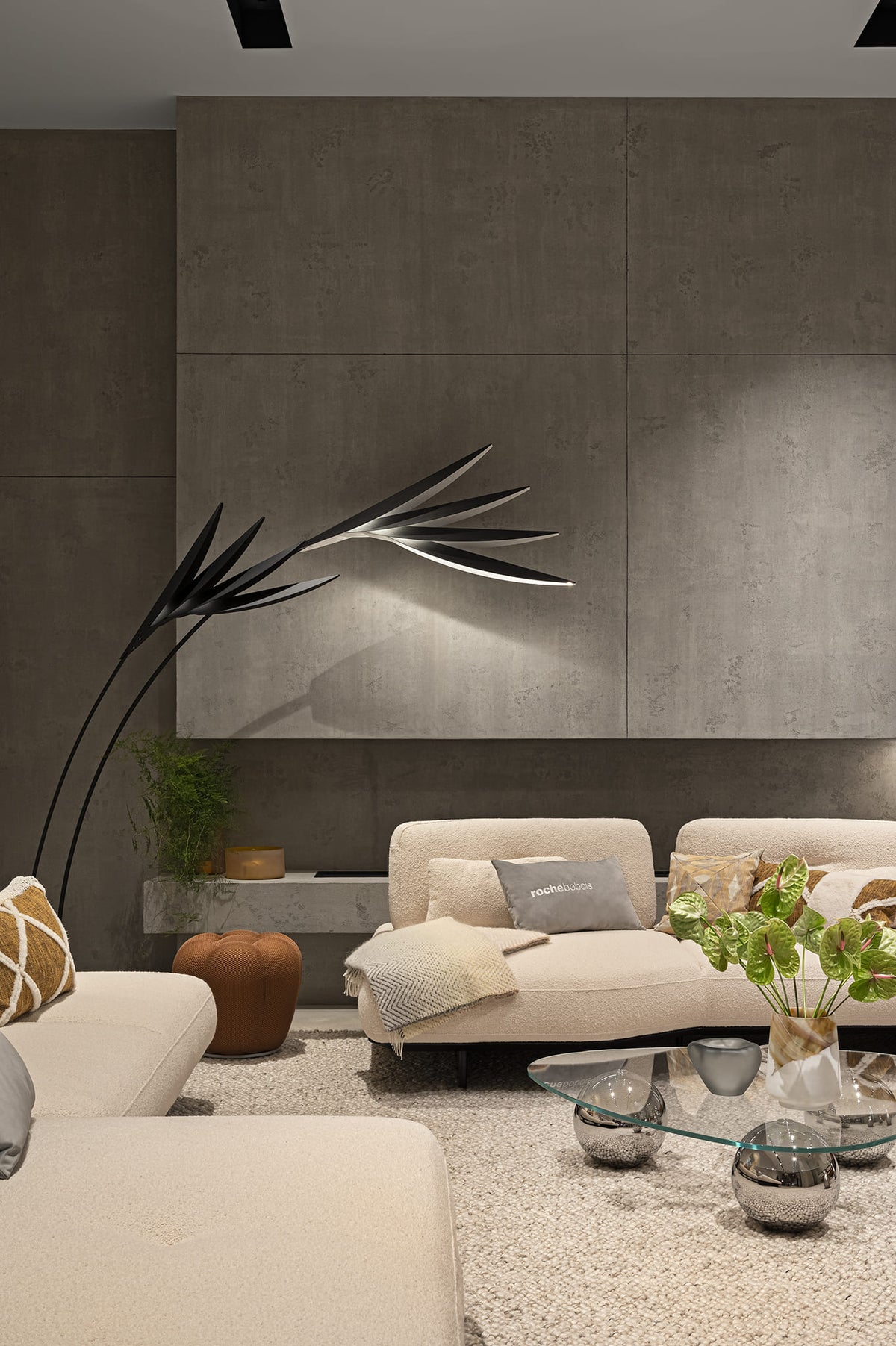
- „The surfaces are dark, but the space shouldn’t feel gloomy.”
At first, these sound like purely aesthetic requests—but they actually raise serious technical considerations. Dark materials, for example, absorb light and require a completely different approach. Too much poorly directed light can easily become blinding and uncomfortable.
Here, the lighting designer’s role is to create balance—making the space functional, comfortable, and visually harmonious.
Good Lighting Works in Layers
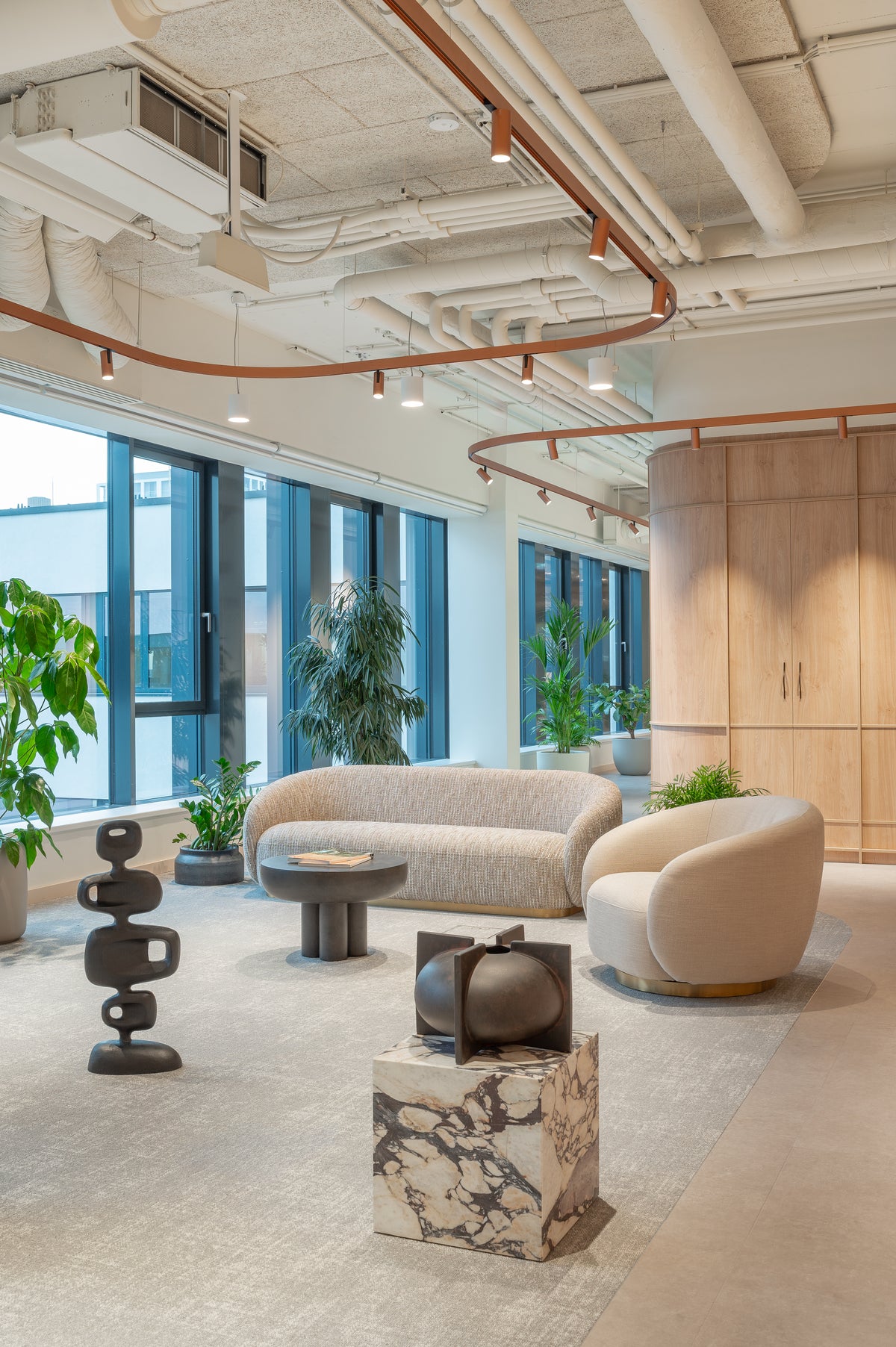
A single light source is rarely enough today. A well-designed space relies on multiple layers:
- Ambient lighting for safety and orientation
- Task lighting to support specific activities
- Accent lighting to highlight features
- Mood lighting that adds emotional depth
It’s this layering that gives a space its vitality and makes an interior feel truly alive.
Control: The Invisible Intelligence
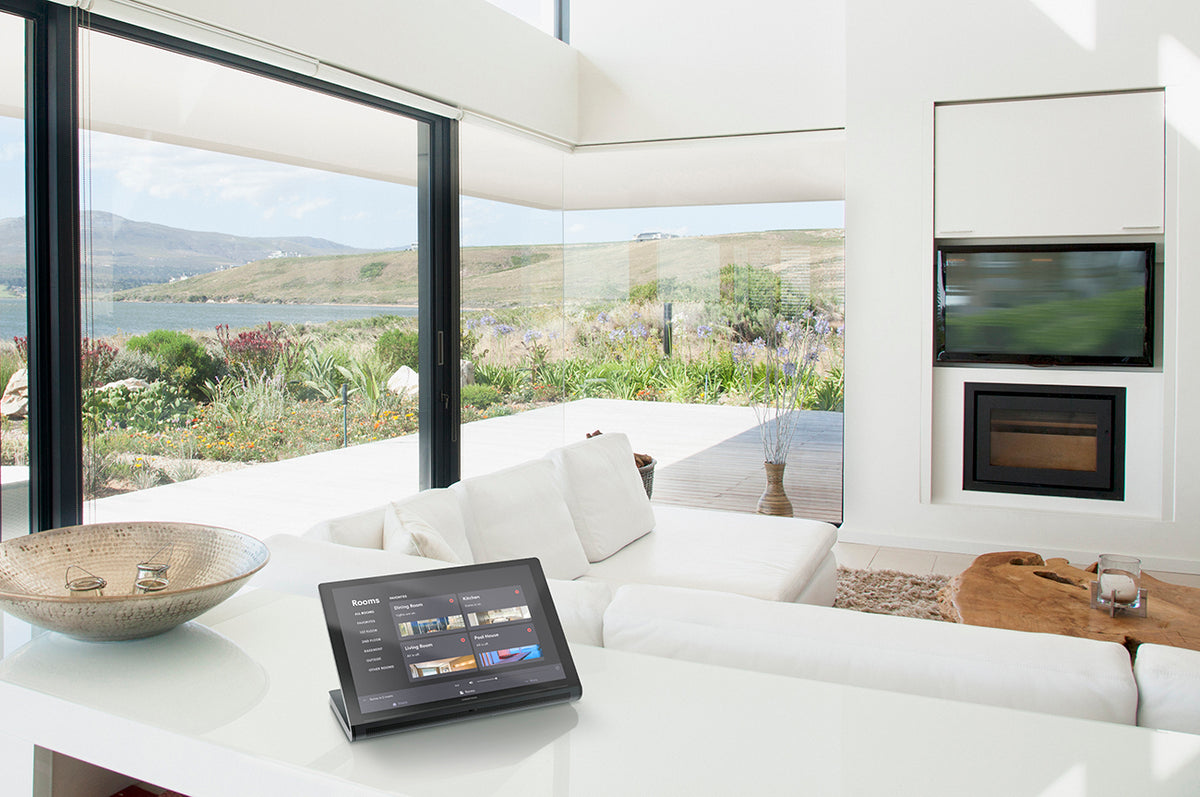
Modern lighting design today is not just about the quality of light—it’s also about how that light is controlled.
Intelligent lighting control saves energy, reduces operating costs, increases comfort, and can even impact productivity. The system adapts to the time of day, usage patterns, and mood—seamlessly, without us even noticing.
And perhaps that is the most important part of all.
Magazine

At Home With Tamara Cserháti
For food blogger Tamara Cserháti, home is much more than a physical place. It is a feeling of comfort, safety and calm, deeply connected to nature. In her family home on the edge of the forest, ind...

Copenhagen Design Diary: Our Favorite Highlights and Novelties from 3daysofdesign
Copenhagen Design Diary: Our Favorite Highlights and Novelties from 3daysofdesign Copenhagen recently transformed into a citywide celebration of design for the annual 3daysofdesign festival. With h...

Milan Design Week 2026: The exhibitions, moments and Milan magic we loved this year
Spring in Milan means early-morning espressos, sunlit streets and a city buzzing with design lovers. During Milan Design Week 2026, we explored exhibitions, installations and atmospheres that defin...