
March 17, 2026
Shaping Spaces with Light: Key Trends from Light Building 2026

The 2026 edition of Light Building revealed the evolving role of lighting in modern design, blending functionality, sustainability, and expressive aesthetics. Across interiors and exteriors, the fair highlighted three key directions: adaptable solutions that seamlessly integrate with spaces, eco-conscious products designed for responsible living, and decorative, atmospheric lighting that transforms environments.
Flexible and Adaptive Solutions: Lighting That Moves With Space
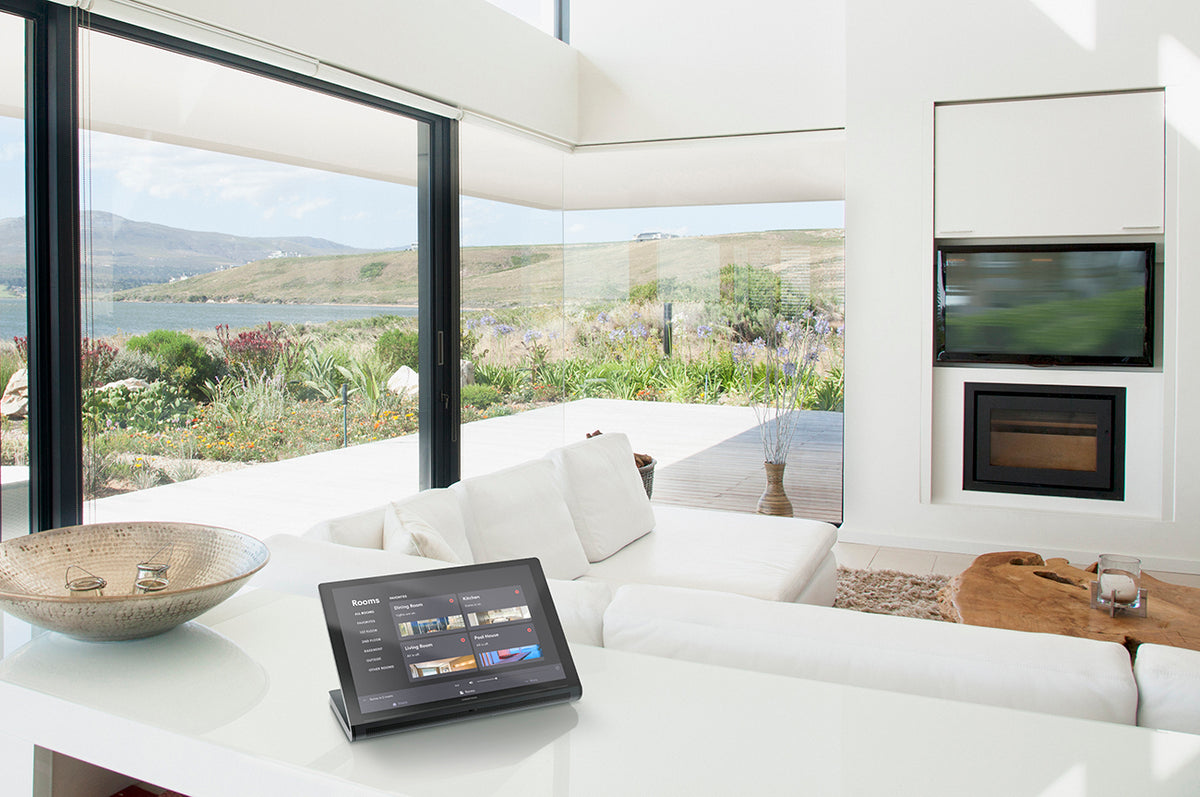
Adaptability emerged as a clear focus. XAL’s Move it 10 introduced Flex Insets, allowing the same fixture to be installed on both curved and straight surfaces. Small, interchangeable optics further enable precise, customizable lighting. The XAL Sivera 25 ceiling system integrates fixtures into acoustic lamellas, eliminating installation challenges and creating a clean, uninterrupted ceiling surface. Meanwhile, Fractal Code adds a visually dynamic fractal pattern, validated by NASA scientists for stress-reducing effects, combining wellness and design innovation. Wever Ducré continues this theme with decorative luminaires fully compatible with smart control systems like Loxone, ensuring flawless dimming and intuitive operation. Key products include the DEEP 1.0 Loxone recessed downlight, the architectural RAY SUSPENDED 2.0 pendant, and the flexible SOLID 1.0 surface spotlight. These luminaires combine modern aesthetics with smart automation, creating adaptable environments that respond to daily routines and moods, perfect for living areas, lounges, and corridors.
 These examples underline a clear trend: lighting must adapt to architecture, moving beyond static, one-size-fits-all solutions.
 Eco-Conscious Lighting: Design With Responsibility
Sustainability was central at the fair. XAL’s ENVIVA series delivers high luminous efficiency while meeting the rigorous Cradle to Cradle Certified® standard, demonstrating that eco-conscious design and high performance can coexist.

Outdoor solutions emphasized environmental responsibility. Bega presented wooden bollards, solar-powered luminaires with long-lasting batteries, and Bug Saver lighting emitting amber light to protect nocturnal wildlife, while controllable warm tones maintain inviting early evening illumination. These innovations show that modern lighting must harmonize ecological awareness with human needs.
Atmospheric and Decorative Lighting: Sculptural Presence and Mood
Lighting as an expressive medium was highly visible. Wastberg offered tactile table lamps like the Faro Table W241, where twisting the shade controls power and dimming, alongside the long pendant W181S2 and indirect Alto W164S2 for elegant minimalism.
In outdoor decor, Luce & Light introduced sculptural pieces like Doremi, combining durability with artistic presence. Linea Light offered subtle spike-mounted Filray and Buzzer Mini lights that illuminate gardens without overpowering them, while Stilnovo brought back classic designs with contemporary refinements.
Interiors embraced creativity as well. Grupa’s Igram desk and wall lamps with rotatable heads and multiple colors allow playful personalization, while Lightnet introduced kinetic wall lights that respond to music, adding dynamic energy. PUK presented bold outdoor sculpture lighting, combining striking forms with a contemporary aesthetic that commands attention.

Key Takeaways: The Future of Lighting Design
Across all these innovations, Light Building 2026 made it clear that modern lighting design is no longer just about illumination. It must integrate with architecture, respect the environment, and enhance human experience through interaction, atmosphere, and sculptural form. Designers are challenged to create solutions that adapt, inspire, and elevate every space, confirming that light itself is now a central element of modern interiors and landscapes.
Magazine

At Home With Tamara Cserháti
For food blogger Tamara Cserháti, home is much more than a physical place. It is a feeling of comfort, safety and calm, deeply connected to nature. In her family home on the edge of the forest, ind...

Copenhagen Design Diary: Our Favorite Highlights and Novelties from 3daysofdesign
Copenhagen Design Diary: Our Favorite Highlights and Novelties from 3daysofdesign Copenhagen recently transformed into a citywide celebration of design for the annual 3daysofdesign festival. With h...

Milan Design Week 2026: The exhibitions, moments and Milan magic we loved this year
Spring in Milan means early-morning espressos, sunlit streets and a city buzzing with design lovers. During Milan Design Week 2026, we explored exhibitions, installations and atmospheres that defin...